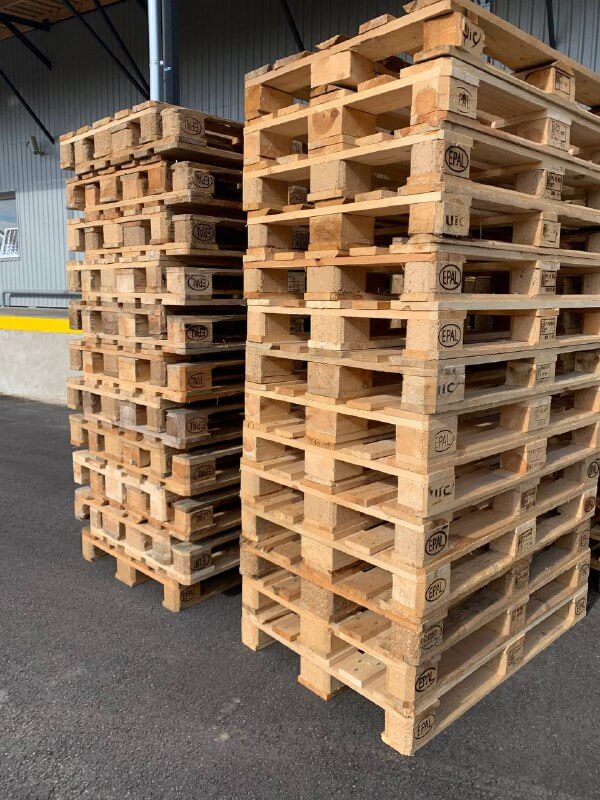
Understanding the Importance of Pallet Warehouses in Modern Supply Chains
In an era where performance and productivity determine the success of companies, the function of pallet warehouses has actually ended up being significantly crucial in the supply chain management landscape. These specialized storage facilities optimize inventory handling, streamline logistics, and enhance distribution techniques. This blog post intends to look into the significance of pallet warehouses, their operations, best practices, and often asked questions.
What is a Pallet Warehouse?
A pallet warehouse is a storage center specifically created for the storage of products on pallets. Utilizing pallets-- flat transportation structures made up of wood, plastic, or metal-- permits for easy handling, stacking, and transportation of goods. Pallet storage facilities can vary in size and design, varying from little stockrooms to expansive warehouse.
Advantages of Using Pallet Warehouses
Pallet storage facilities use various benefits that add to the performance of supply chains:
| Benefits | Description |
|---|---|
| Area Optimization | Pallets allow vertical stacking, taking full advantage of space usage within a warehouse. |
| Improved Accessibility | Standardized pallet sizes permit simpler access to goods, facilitating quicker retrieval and inventory management. |
| Boosted Safety | Saving products on pallets lowers the risk of damage and mishaps, providing a more secure working environment. |
| Faster Loading and Unloading | Forklifts and pallet jacks streamline the process of loading and dumping items, increasing overall efficiency. |
| Scalability | Pallet warehouses can be easily broadened or modified as per changing stock needs. |
Operations in a Pallet Warehouse
Comprehending the operations within a pallet warehouse is necessary for optimizing storage and retrieval procedures. Here's a breakdown of essential functional parts:
1. Getting Goods
When products come to the warehouse, they need to be inspected for quality and amount. Once confirmed, products are arranged and put onto pallets for storage.
2. Inventory Management
Efficient stock management is important in a pallet warehouse. Making use of inventory management systems helps track stock levels, ensuring timely replenishment and lowering the risk of stockouts.
3. Storage
Goods are kept in designated locations within the warehouse, often arranged by classifications or demand frequency. This system makes sure that high-demand products are quickly available.
4. Picking
When orders are gotten, warehouse workers select the items from storage. This procedure can be structured through different choosing methods, such as batch selecting, wave picking, or zone picking.
5. Packing
As soon as items are selected, they are packed for shipment. Proper packing techniques secure goods during transit and guarantee that they come to their destination securely.
6. Shipping
The final step involves shipping the jam-packed orders to consumers. Cooperation with logistics providers and effective scheduling are important for timely deliveries.
Best Practices for Managing a Pallet Warehouse
To guarantee maximum performance and productivity, consider executing the following best practices in pallet warehouse management:
- Regular Training: Provide ongoing training for staff on equipment use, safety protocols, and inventory management software application.
- Optimize Layout: Design the warehouse layout to decrease travel time for selecting and packing processes.
- Implement Technology: Utilize warehouse management systems (WMS) and automated options to enhance accuracy and speed.
- Routine Maintenance: Regularly check and preserve devices such as forklifts and pallet racks to ensure safe operations.
- Conduct Audits: Perform routine audits of inventory to make sure precision and identify disparities early.
Frequently Asked Questions About Pallet Warehouses
1. Why are pallets used in storage facilities?
Pallets help with easier handling, storage, and transport of goods. They allow effective use of space and enhance security throughout the storage process.
2. How does learn more vary from a standard warehouse?
A pallet warehouse focuses specifically on the storage of products on pallets, permitting for optimized inventory handling and retrieval. Traditional warehouses may not utilize pallets, resulting in less efficient storage solutions.
3. What types of pallets are commonly used?
Common kinds of pallets consist of wood, plastic, and metal pallets. The option of pallet type typically depends on the nature of the goods being kept.
4. How can I improve pallet warehouse efficiency?
Improving effectiveness can be accomplished through routine training, enhancing warehouse layout, carrying out innovative technology, and preserving equipment.
5. What are the security factors to consider in a pallet warehouse?
Security factors to consider include correct training for staff, routine equipment maintenance, sticking to weight limitations, and making sure clear paths for motion.
In conclusion, pallet storage facilities play an essential function in contemporary supply chains by improving performance, safety, and scalability in inventory management. By comprehending their operations and carrying out best practices, businesses can leverage pallet warehouses to fulfill their logistical requirements successfully. With the increasing complexities of supply chains, the significance of optimizing pallet warehouse operations can not be overemphasized. The future of warehousing will unquestionably end up being more dependent on these important structures, leading the way for structured operations and improved customer fulfillment.